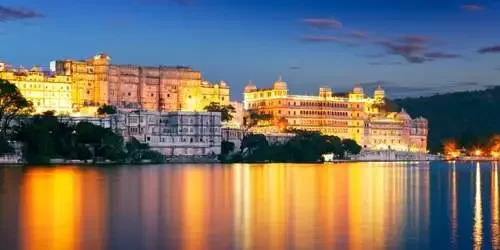
Trip to Shaktipeeth Jwala Mata Jobner Jaipur
RJ1431
A day trip to Shaktipeeth Jwala Mata in Jobner, Jaipur is a spiritual and cultural excursion. Here’s a suggested itinerary for your trip.
The itinerary:
Begin your day trip by leaving Jaipur in the morning. Jobner is located approximately 45 kms. away from Jaipur, and the journey by road takes around 1.5 hours.
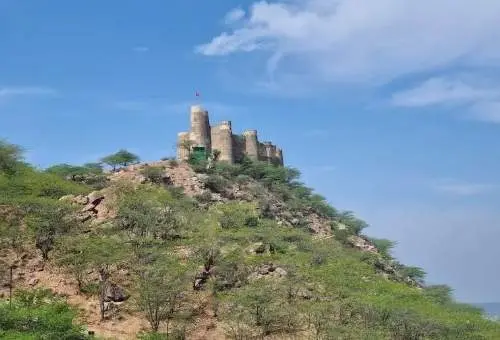
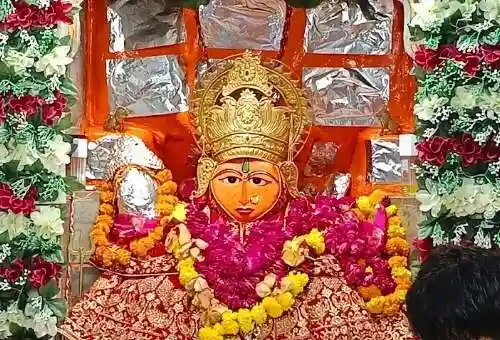
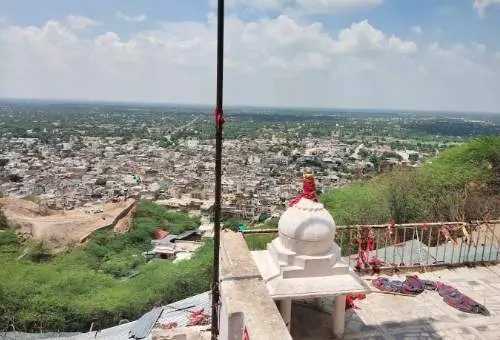
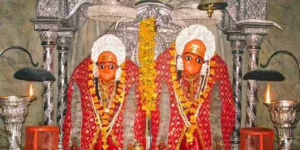
Jwala Mata Mandir: Reach the holy site of Shaktipeeth Jwala Mata in Jobner. This temple is dedicated to the Hindu goddess Jwala Mata, who is believed to be an incarnation of Goddess Durga. The temple is known for its sacred flame that is said to have been burning continuously for centuries.
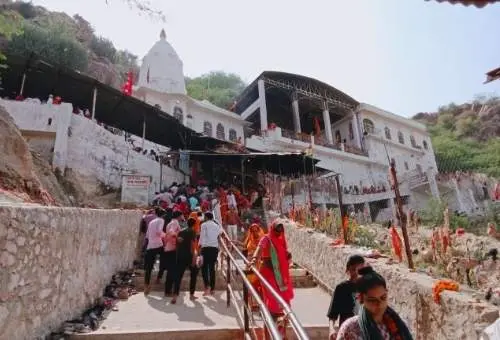
Temple Visit and Darshan: Upon arrival, explore the temple premises and take part in the religious rituals and ceremonies. Seek the blessings of Jwala Mata and offer your prayers. Observe the devotees and experience the spiritual ambiance of the temple.
Learn about the Legends: Take the opportunity to learn about the legends and stories associated with Jwala Mata and the temple. The priests or local guides can provide insights into the religious significance and historical background of the shrine.
After a fulfilling day of spiritual and cultural exploration, begin your return journey to Jaipur in the late afternoon. Arrive back in Jaipur by evening.
Pickup & Drop : Jaipur
Timing : 08 AM to 04 PM
Distance : Jaipur to Jwala Mata Jobner – 45 kms.
Trip Cost
| Group Size | Vehicle | Price (INR) |
|---|---|---|
| 2 Guests | Sedan | 1650 |
| 4 Guests | Ertiga / Carens | 950 |
| 6 Guests | Innova Crysta | 800 |
Note:
- Trip Prices are Per Person.
- Trip Cost may change during the fairs & festivals time.
- Above Trip Prices are in Indian Rupees.
Package Inclusions:
- All Sightseeing and transfers by Air-Conditioned Car.
- Driver allowances, fuel, parking charges, toll taxes and interstate taxes.
- Packaged Drinking Water.
- Child below 5 years is complimentary (without extra bed).
Package Exclusions:
- Meals & drinks other than specified in inclusions.
- Expenses of personal nature such as portages, tips, telephone calls, laundry expenses etc.
- All entrances, camera fees, guide & driver tipping.
- Insurance Cover.
Query for Trip to Shaktipeeth Jwala Mata Jobner Jaipur - RJ1431
Explore Jaipur Day Trips










FAQs related to Trip to Shaktipeeth Jwala Mata Jobner Jaipur
What specific geographic terrain does the Jwala Mata Temple occupy, and what is the name of its hill?
What specific mythological event connects this shrine to the global map of Hindu Shaktipeeths?
For which prominent Rajasthani clan does the Jobner Jwala Mata serve as the ancestral deity?
What legendary historic military miracle is associated with the hillside during the 17th century?
What other historic architectural structures can be explored on the upper ridges of the Jobner hill?
Curated Rajasthan Tours