Jaipur To Rani Sati Dadi Mandir Trip
RJ1425
A day trip from Jaipur to Rani Sati Dadi Mandir Jhunjhunu can be a religious and cultural experience. Here’s a suggested itinerary for your visit.
The itinerary:
Start your day early in the morning from Jaipur to make the most of your trip.
Rani Sati Dadi Mandir is located in Jhunjhunu, Rajasthan, approximately 170 kms. from Jaipur. It takes around 3-4 hours to reach by road.
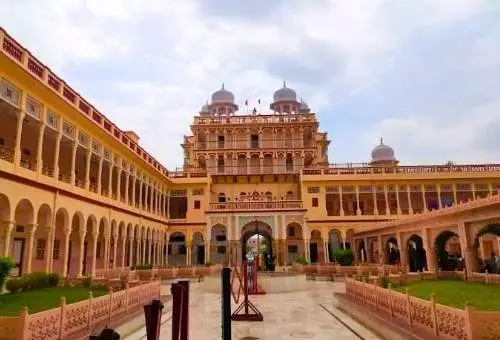
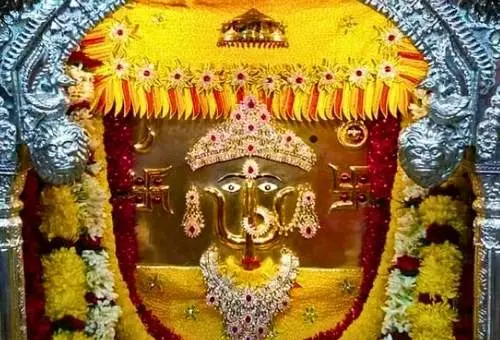
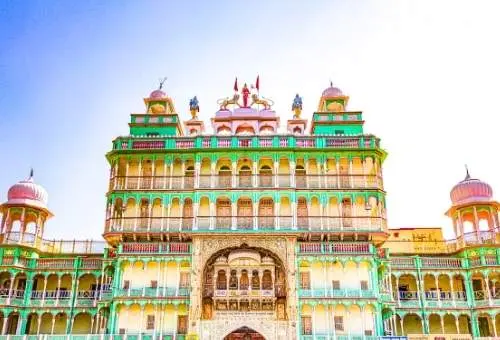
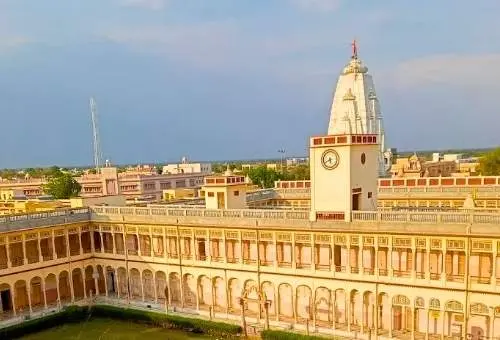
Upon reaching Rani Sati Dadi Mandir, enter the temple complex and immerse yourself in the religious atmosphere. The temple is dedicated to Rani Sati, a historical figure who is revered as a deity.
Spend some time exploring the temple complex and admiring its architecture. The temple is known for its intricate carvings, colorful paintings, and beautiful sculptures.
Participate in the prayers and rituals conducted at the temple. Observe the devotees paying their respects and offering prayers to Rani Sati.
Learn about the legend and stories associated with Rani Sati, which are an integral part of the temple’s history and significance.
Finally, in the late afternoon or evening, start your journey back to Jaipur, reflecting on the spiritual experience at Rani Sati Dadi Mandir.
Pickup & Drop : Jaipur
Timing : 08 AM to 08 PM
Distance : Jaipur to Rani Sati Jhunjhunu – 170 kms.
Trip Cost
| Group Size | Vehicle | Price (INR) |
|---|---|---|
| 2 Guests | Sedan | 2800 |
| 4 Guests | Ertiga / Carens | 1700 |
| 6 Guests | Innova Crysta | 1400 |
Note:
- Trip Prices are Per Person.
- Trip Cost may change during the fairs & festivals time.
- Above Trip Prices are in Indian Rupees.
Package Inclusions:
- All Sightseeing and transfers by Air-Conditioned Car.
- Driver allowances, fuel, parking charges, toll taxes and interstate taxes.
- Packaged Drinking Water.
- Child below 5 years is complimentary (without extra bed).
Package Exclusions:
- Meals & drinks other than specified in inclusions.
- Expenses of personal nature such as portages, tips, telephone calls, laundry expenses etc.
- All entrances, camera fees, guide & driver tipping.
- Insurance Cover.
Query for Jaipur To Rani Sati Dadi Mandir Trip - RJ1425
Explore Jaipur Day Trips










FAQs related to Jaipur To Rani Sati Dadi Mandir Trip
What cultural and lineage-based legacy establishes Rani Sati Dadi Mandir as a central focal point for the global Marwari community?
Who was Rani Sati historically, and what is her narrative origin?
What unique object is worshipped inside the main sanctum of the Rani Sati Temple instead of a human image or idol?
What characterizes the geographic terrain and natural environment surrounding Jhunjhunu?
What major annual gathering completely transforms the atmosphere of this monument?
Curated Rajasthan Tours