Jaipur To Tal Chhapar Blackbuck Sanctuary Day Trip
RJ1433
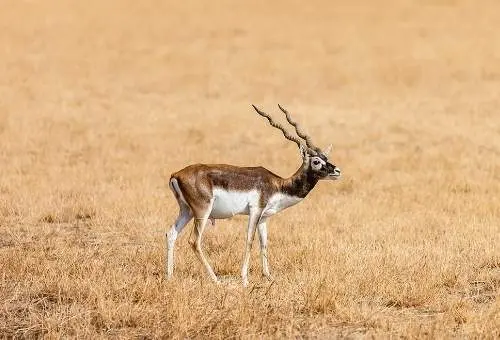
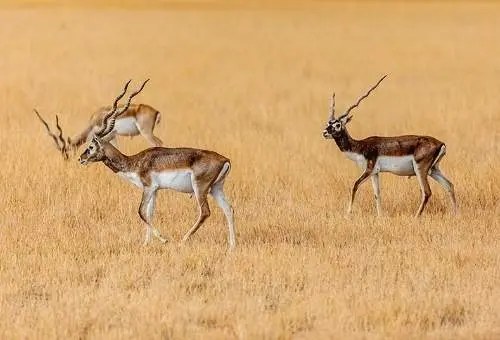
A day trip from Jaipur to Tal Chhapar Blackbuck Sanctuary is a wonderful opportunity to witness the majestic blackbuck antelope in their natural habitat. Here’s a suggested itinerary for your day trip.
The itinerary:
Start your day trip early in the morning from Jaipur. The distance between Jaipur and Tal Chhapar Blackbuck Sanctuary is approximately 210 kms. and it takes around 4 hours to reach by road, depending on traffic conditions.
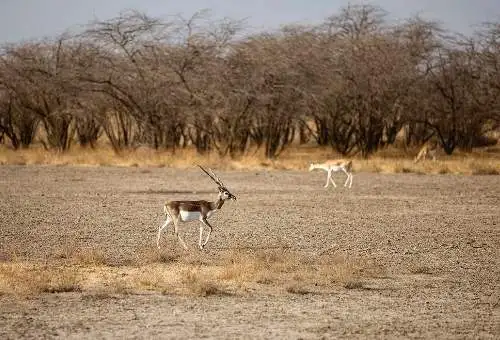
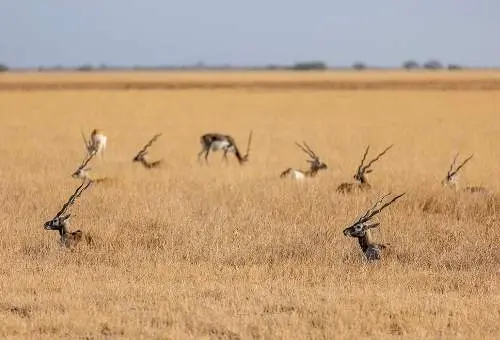
Tal Chhapar Blackbuck Sanctuary: Upon reaching Tal Chhapar, you’ll enter the sanctuary area that is home to a significant population of blackbucks. Tal Chhapar is a grassland habitat that provides an ideal environment for these elegant antelopes.
Wildlife Safari: Embark on a wildlife safari in Tal Chhapar Blackbuck Sanctuary to explore the grasslands and spot blackbucks. The sanctuary is known for its high concentration of blackbucks, and you’ll have a good chance of observing them up close in their natural surroundings. Keep an eye out for other wildlife species that reside in the area, such as desert foxes, desert cats, and various bird species.
Bird-watching: Tal Chhapar is also a haven for bird watching enthusiasts. The sanctuary attracts a variety of resident and migratory bird species. Binoculars and a bird guidebook will enhance your bird watching experience as you observe the avian diversity in the area.
After exploring Tal Chhapar Blackbuck Sanctuary and its surrounding areas, start your return journey to Jaipur. Reflect on your wildlife encounters and the serene beauty of the grasslands during the drive back.
Pickup & Drop : Jaipur
Timing : 7:30 AM to 08:00 PM
Distance : Jaipur to Tal Chhapar Blackbuck Sanctuary – 210 kms.
Trip Cost
| Group Size | Vehicle | Price (INR) |
|---|---|---|
| 2 Guests | Sedan | 2750 |
| 4 Guests | Ertiga / Carens | 1700 |
| 6 Guests | Innova Crysta | 1400 |
Note:
- Trip Prices are Per Person.
- Trip Cost may change during the fairs & festivals time.
- Above Trip Prices are in Indian Rupees.
Package Inclusions:
- All Sightseeing and transfers by Air-Conditioned Car.
- Driver allowances, fuel, parking charges, toll taxes and interstate taxes.
- Packaged Drinking Water.
- Child below 5 years is complimentary (without extra bed).
Package Exclusions:
- Meals & drinks other than specified in inclusions.
- Expenses of personal nature such as portages, tips, telephone calls, laundry expenses etc.
- All entrances, camera fees, guide & driver tipping.
- Insurance Cover.
Query for Jaipur To Tal Chhapar Blackbuck Sanctuary Day Trip - RJ1433
Explore Jaipur Day Trips












FAQs related to Jaipur To Tal Chhapar Blackbuck Sanctuary Day Trip
What does the term "Tal" geographically signify regarding the sanctuary's landscape?
What unique desert-edge ecosystem category does Tal Chhapar fall into?
What was the historical status of this grassland prior to its declaration as a public sanctuary?
Why is Tal Chhapar globally regarded as a supreme "Raptor Paradise" by ornithologists?
Which mammalian predators and smaller carnivores can be tracked during the grassland safari?
Curated Rajasthan Tours