Jaipur To Sariska Day Trip
RJ1430
A day trip from Jaipur to Sariska is a wonderful choice for nature and wildlife enthusiasts. Sariska is a popular national park located in the Alwar district of Rajasthan, India. Here’s a suggested itinerary for a Jaipur to Sariska day trip.
The itinerary:
Start your day trip early in the morning from Jaipur. The distance between Jaipur and Sariska is approximately 110 kms. and it takes around 2-3 hrs. to reach by road, depending on traffic conditions.
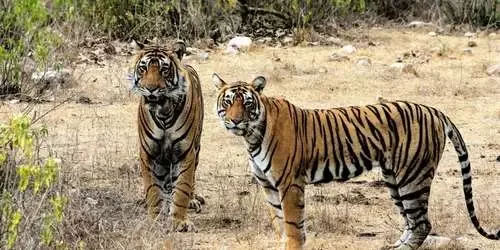
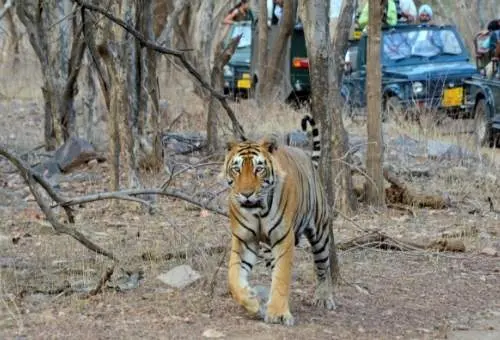
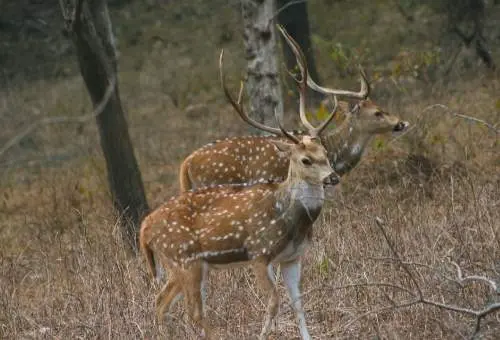
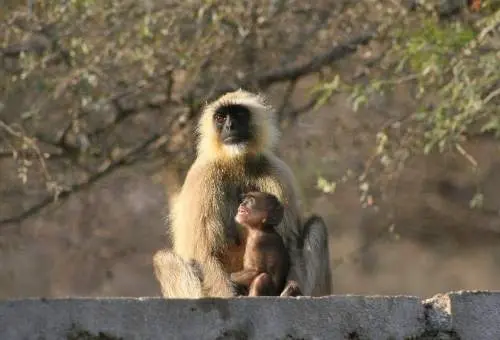
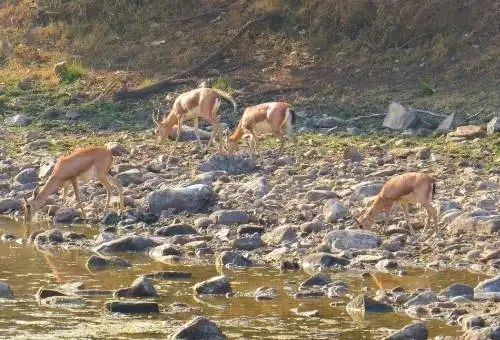
Sariska National Park: Upon reaching Sariska, proceed to the Sariska National Park, which is known for its rich biodiversity and tiger population. The park is also home to other wildlife species such as leopards, sambar deer, wild boars and various bird species.
Join the afternoon jungle safari at Sariska National Park to explore the wildlife and the park’s diverse ecosystem. The safari is typically conducted in open jeeps accompanied by experienced guides. Keep your eyes peeled for wildlife sightings and the chance to spot the majestic Royal Bengal Tigers that inhabit the park.
Pandupol Hanuman Temple: If time permit, before the safari, you can visit the Pandupol Hanuman Temple, which is located within the national park. The temple holds religious significance and is dedicated to Lord Hanuman. Enjoy the serene ambiance and seek blessings at the temple.
After exploring Sariska National Park and any additional attractions, start your return journey to Jaipur. Reflect on your wildlife experiences and the natural beauty of Sariska during the drive back.
Pickup & Drop : Jaipur
Timing : 08 AM to 08 PM
Distance : Jaipur to Sariska – 110 kms.
Trip Cost
| Group Size | Vehicle | Price (INR) |
|---|---|---|
| 2 Guests | Sedan | 3400 |
| 4 Guests | Ertiga / Carens | 2550 |
| 6 Guests | Innova Crysta | 2400 |
Note:
- Trip Prices are Per Person.
- Trip Cost may change during the fairs & festivals time.
- Above Trip Prices are in Indian Rupees.
Package Inclusions:
- All Sightseeing and transfers by Air-Conditioned Car.
- Driver allowances, fuel, parking charges, toll taxes and interstate taxes.
- Packaged Drinking Water.
- Child below 5 years is complimentary (without extra bed).
Package Exclusions:
- Meals & drinks other than specified in inclusions.
- Expenses of personal nature such as portages, tips, telephone calls, laundry expenses etc.
- All entrances, camera fees, guide & driver tipping.
- Insurance Cover.
Query for Jaipur To Sariska Day Trip - RJ1430
Explore Jaipur Day Trips










FAQs related to Jaipur To Sariska Day Trip
What unique geographic terrain and administrative district does the Sariska Tiger Reserve occupy?
What specific type of forest ecosystem defines the Sariska wilderness?
What is the classical Mahabharata legend associated with the origin of Pandupol?
What dark piece of Mughal history is preserved at Kankwari Fort inside the reserve boundaries?
Besides the Royal Bengal Tiger, what other elusive apex carnivores inhabit this ecosystem?
Curated Rajasthan Tours