Jaipur To Salasar Balaji Visit
RJ1427
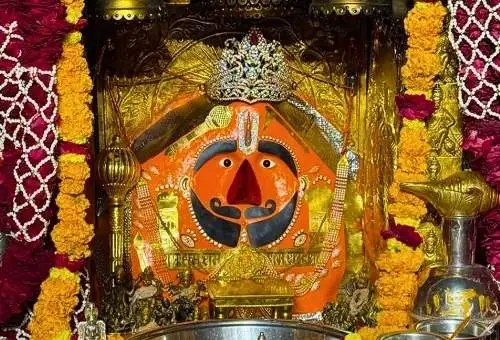
A day trip from Jaipur to Salasar Balaji is a popular pilgrimage journey for devotees of Lord Hanuman. Salasar Balaji is a renowned temple dedicated to Lord Hanuman, located in Salasar, Rajasthan. Here’s a suggested itinerary for your day trip.
The itinerary:
Start your day trip early in the morning from Jaipur. The distance between Jaipur and Salasar is approximately 170 kms. and it takes around 3-4 hours to reach by road, depending on traffic conditions.
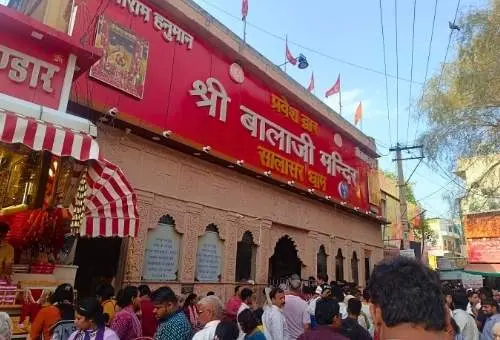
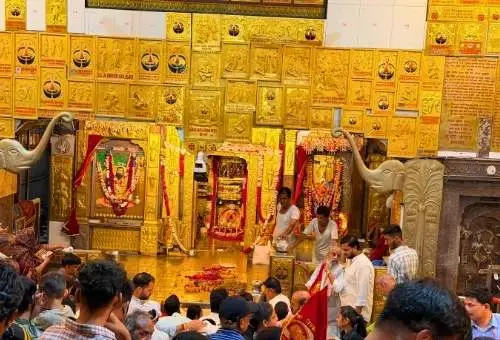
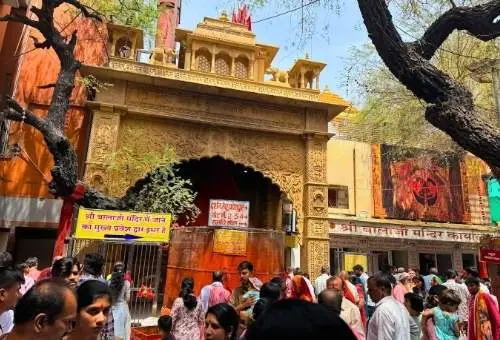
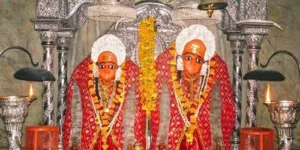
Salasar Balaji Temple: Upon reaching Salasar, visit the Salasar Balaji Temple. The temple is dedicated to Lord Hanuman and it attracts a large number of devotees throughout the year. Pay your respects, participate in the religious rituals, and seek blessings at the temple.
Darshan and Pooja: Spend time in the temple premises, offering prayers and performing darshan (the act of seeing the deity). You can also participate in the special pooja or aarti (devotional ritual) if available during your visit.
Explore the Surroundings: Take a walk around the temple complex and explore the surrounding areas. There are various stalls and shops selling religious items, souvenirs, and prasad (holy offerings). You can also find shops offering local snacks and refreshments.
After completing your visit to Salasar Balaji Temple and having lunch, start your return journey to Jaipur. Reflect on your spiritual experience during the drive back.
Pickup & Drop : Jaipur
Timing : 08 AM to 08 PM
Distance : Jaipur to Salasar Balaji – 175 kms.
Trip Cost
| Group Size | Vehicle | Price (INR) |
|---|---|---|
| 2 Guests | Sedan | 2750 |
| 4 Guests | Ertiga / Carens | 1500 |
| 6 Guests | Innova Crysta | 1400 |
Note:
- Trip Prices are Per Person.
- Trip Cost may change during the fairs & festivals time.
- Above Trip Prices are in Indian Rupees.
Package Inclusions:
- All Sightseeing and transfers by Air-Conditioned Car.
- Driver allowances, fuel, parking charges, toll taxes and interstate taxes.
- Packaged Drinking Water.
- Child below 5 years is complimentary (without extra bed).
Package Exclusions:
- Meals & drinks other than specified in inclusions.
- Expenses of personal nature such as portages, tips, telephone calls, laundry expenses etc.
- All entrances, camera fees, guide & driver tipping.
- Insurance Cover.
Query for Jaipur To Salasar Balaji Visit - RJ1427
Explore Jaipur Day Trips










FAQs related to Jaipur To Salasar Balaji Visit
What distinct theological theme sets Salasar Balaji apart within the wider Hanuman devotional network of Northern India?
What is the geographical location, tehsil, and administrative district of Salasar village?
What unique physical facial features distinguish the idol of Lord Hanuman at Salasar Balaji from standard depictions?
What unique daily offering ritual involves coconut wrapping in the temple courtyard?
What secondary sacred monument inside the complex honors the temple's founding saint?
Curated Rajasthan Tours