Jaipur Khatu Shyam Jeen Mata Salasar Trip
RJ1414
A day trip from Jaipur to Khatu Shyam, Jeen Mata and Salasar offers a unique opportunity to visit three important religious sites in Rajasthan. Here’s a suggested itinerary for your Jaipur to Khatu Shyam, Jeen Mata and Salasar day trip.
The itinerary:
Start your day early in the morning from Jaipur, ensuring a comfortable journey ahead.
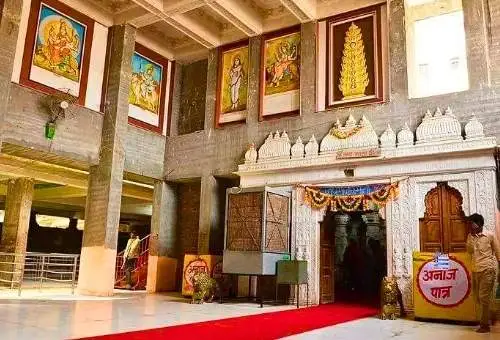
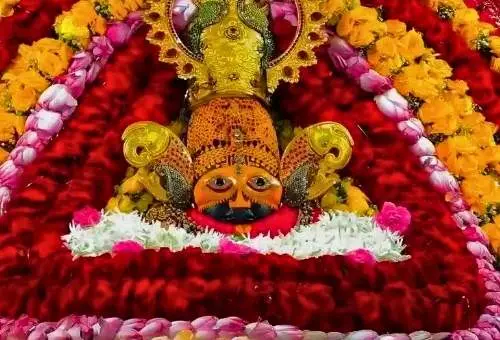
Khatu Shyam Temple: The first stop of your day trip is the Khatu Shyam Temple, located around 90 kms from Jaipur. This temple is dedicated to Lord Krishna, known as Khatu Shyam or Barbarika. The temple is renowned for its beautiful architecture and religious significance. Spend some time exploring the temple complex, offering prayers, and experiencing the peaceful atmosphere.
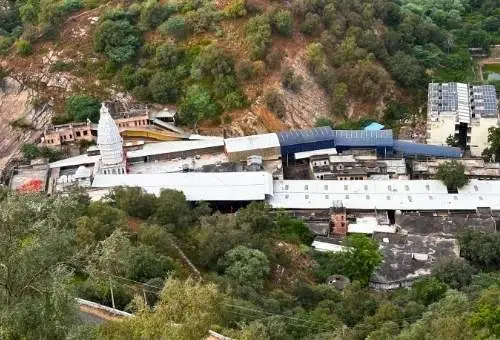
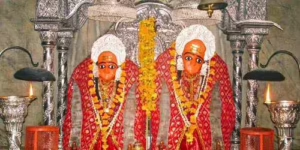
Jeen Mata Temple: After visiting Khatu Shyam Temple, proceed to the Jeen Mata Temple, which is approximately 30 kms from Khatu Shyam. This temple is dedicated to Goddess Jeen Mata, considered to be an incarnation of Goddess Durga. It is believed to be a powerful and sacred place of worship. Take your time to offer prayers, seek blessings, and soak in the spiritual ambience.
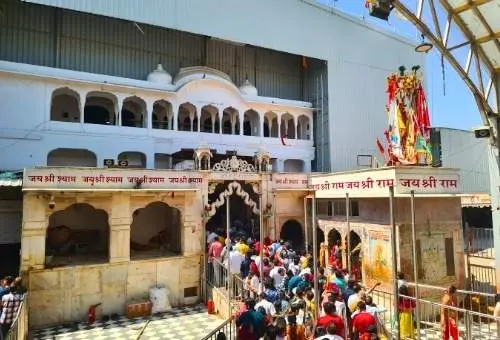
Salasar Balaji Temple: The final stop of your day trip is the Salasar Balaji Temple, located around 80 kms from Jeen Mata Temple. This temple is dedicated to Lord Hanuman and is one of the most famous pilgrimage sites in Rajasthan. Devotees from all over the country visit this temple to seek the blessings of Lord Hanuman. Spend some time exploring the temple complex, offering prayers, and witnessing the devotion of the devotees.
After visiting Salasar Balaji Temple, start your journey back to Jaipur. It is advisable to leave with ample time to reach Jaipur comfortably and avoid any rush hour traffic.
Pickup & Drop : Jaipur
Timing : 07:30 AM to 09 PM
Distance : Jaipur to Khatu Shyam Ji – 80 kms., Khatu Shyam Ji to Jeen Mata – 30 kms., Jeen Mata to Salasar Balaji – 80 kms.
Trip Cost
| Group Size | Vehicle | Price (INR) |
|---|---|---|
| 2 Guests | Sedan | 2750 |
| 4 Guests | Ertiga / Carens | 1650 |
| 6 Guests | Innova Crysta | 1400 |
Note:
- Trip Prices are Per Person.
- Trip Cost may change during the fairs & festivals time.
- Above Trip Prices are in Indian Rupees.
Package Inclusions:
- All Sightseeing and transfers by Air-Conditioned Car.
- Driver allowances, fuel, parking charges, toll taxes and interstate taxes.
- Packaged Drinking Water.
- Child below 5 years is complimentary (without extra bed).
Package Exclusions:
- Meals & drinks other than specified in inclusions.
- Expenses of personal nature such as portages, tips, telephone calls, laundry expenses etc.
- All entrances, camera fees, guide & driver tipping.
- Insurance Cover.
Query for Jaipur Khatu Shyam Jeen Mata Salasar Trip - RJ1414
Explore Jaipur Day Trips










FAQs related to Jaipur Khatu Shyam Jeen Mata Salasar Trip
What spiritual and cultural theme unites Khatu Shyam, Jeen Mata, and Salasar Balaji into a single continuous pilgrimage circuit?
Who is Lord Khatu Shyam historically and mythologically?
What is the structural style and age of the Jeen Mata Temple?
What unique iconographical feature distinguishes the idol at Salasar Balaji from other Hanuman temples?
What are the media and electronic regulations across these three major pilgrimage sites?
Curated Rajasthan Tours