Jaipur To Khatu Shyam Salasar Rani Sati Trip
RJ1417
A day trip from Jaipur to Khatu Shyam, Salasar and Rani Sati Temple offers a unique blend of spirituality and cultural exploration. Here’s a suggested itinerary for your Jaipur to Khatu Shyam, Salasar, and Rani Sati day trip.
The itinerary:
Start your day early in the morning from Jaipur, ensuring a comfortable journey ahead.
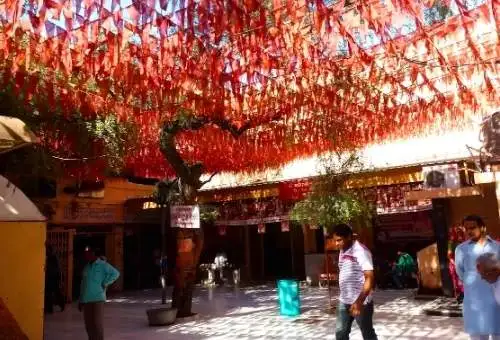
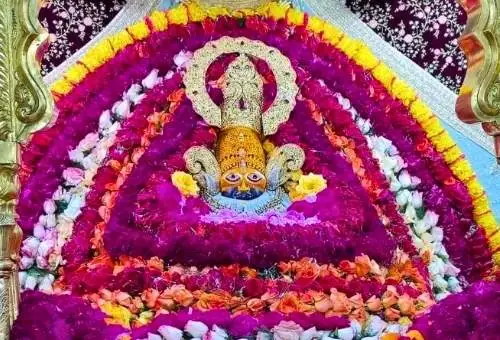
Khatu Shyam Ji Mandir: Upon reaching Khatu Shyam Ji Mandir, visit the revered temple dedicated to Khatu Shyam Ji, a form of Lord Krishna. Seek blessings from the deity and immerse yourself in the devotional atmosphere. Witness the fervent devotion of the devotees and participate in the prayers and rituals conducted at the temple. Take some time to explore the temple complex and learn about the legends associated with Khatu Shyam Ji.
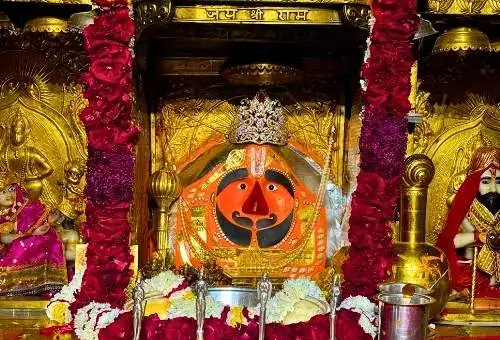
Salasar Balaji Temple: From Khatu Shyam, proceed to Salasar, which is known for the famous Salasar Balaji Temple dedicated to Lord Hanuman. Pay your respects to Lord Hanuman and witness the devotion of the devotees who visit the temple. Explore the temple complex and learn about the legends associated with Lord Hanuman. Experience the spiritual vibrations and offer your prayers in the tranquil surroundings.
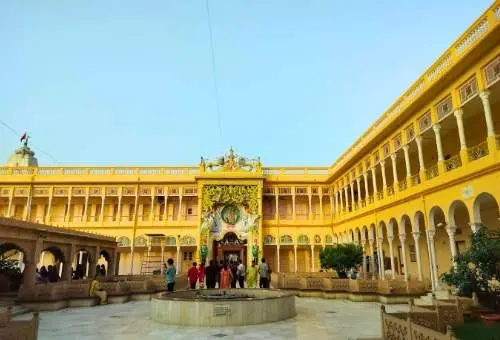
Rani Sati Temple: After lunch, head to the Rani Sati Temple in Jhunjhunu, which is approximately 2 hours from Salasar. This temple is dedicated to Rani Sati, a revered figure in Rajasthan’s history. Pay your respects to Rani Sati and learn about her legendary sacrifice. Witness the unique architecture of the temple and explore the beautiful surroundings.
As the day comes to an end, start your return journey to Jaipur, carrying the blessings and spiritual experiences from your visit to Khatu Shyam, Salasar and Rani Sati.
Pickup & Drop : Jaipur
Timing : 7:30 AM to 09 PM
Distance : Jaipur to Khatu Shyam Ji – 80 kms., Khatu Shyam Ji to Salasar – 100 kms, Salasar to Rani Sati – 90 kms
Trip Cost
| Group Size | Vehicle | Price (INR) |
|---|---|---|
| 2 Guests | Sedan | 2750 |
| 4 Guests | Ertiga / Carens | 1650 |
| 6 Guests | Innova Crysta | 1400 |
Note:
- Trip Prices are Per Person.
- Trip Cost may change during the fairs & festivals time.
- Above Trip Prices are in Indian Rupees.
Package Inclusions:
- All Sightseeing and transfers by Air-Conditioned Car.
- Driver allowances, fuel, parking charges, toll taxes and interstate taxes.
- Packaged Drinking Water.
- Child below 5 years is complimentary (without extra bed).
Package Exclusions:
- Meals & drinks other than specified in inclusions.
- Expenses of personal nature such as portages, tips, telephone calls, laundry expenses etc.
- All entrances, camera fees, guide & driver tipping.
- Insurance Cover.
Query for Jaipur To Khatu Shyam Salasar Rani Sati Trip - RJ1417
Explore Jaipur Day Trips










FAQs related to Jaipur To Khatu Shyam Salasar Rani Sati Trip
What distinct spiritual traditions and historical legacies are woven together in this specific Shekhawati pilgrimage loop?
What makes the iconographical depiction of Lord Hanuman at Salasar Balaji completely unique?
What is the historical origin story behind the establishment of Salasar Balaji?
Who is Rani Sati, and what is her significance in Jhunjhunu's history?
What object is worshipped inside the main sanctum of the Rani Sati Temple instead of a human image?
Curated Rajasthan Tours